Ngorongoro Crater Wheelchair Access: What’s Possible
Ngorongoro Crater wheelchair access comes down to three choices: your lodge, your vehicle, and which road takes you down to the crater floor. Nobody walks inside the crater anyway, wheelchair user or not, so most of the planning happens before you leave home. This checklist walks through what matters, road by road and lodge by lodge. It helps you ask the right questions before you book a wheelchair accessible safari.
1. Is Ngorongoro Crater Wheelchair Access Possible?
Yes. There is no hiking or walking safari on the crater floor. Wheelchair users see everything from inside a 4×4 vehicle, the same way every visitor does. Access depends on booking a lodge with step-free rooms and a vehicle you can transfer into and out of safely. It does not depend on your ability to walk the terrain.
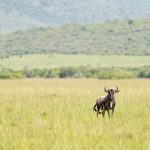
That single fact simplifies a lot of the worry. The crater floor is flat grassland, and the wildlife, lion, wildebeest, flamingo, elephant, comes to the vehicle rather than the other way around. Your guide will follow the same rules for staying inside the vehicle during game drives that apply to every guest. Mobility on the ground is never part of the equation once you are seated.
2. How Vehicles Get Into the Crater: The Seneto and Lemala Roads
Two roads move vehicles in and out of the crater, and both are one-way. The Seneto Descent Road takes you down, and the Lemala Ascent Road takes you back up to the rim. Both are steep, narrow, and unpaved, and the descent takes somewhere in the range of 45 to 60 minutes depending on traffic and conditions.
The ride is bumpy for everyone, not just wheelchair users, so this is less about accessibility and more about comfort planning. Ask your operator for a vehicle with good suspension. Request front-row or front-middle seating, which makes the transfer in and out noticeably easier than climbing to a rear bench.
3. Wheelchair-Accessible Lodges on the Crater Rim
No lodge sits inside the crater itself. All accommodation is on the rim, and accessibility varies property by property. Confirm room-specific details directly with the lodge rather than trusting a general “accessible” label.
- Ngorongoro Serena Safari Lodge is regularly cited for step-free or ground-floor suites, though only some rooms qualify, so specify your needs when booking.
- &Beyond Ngorongoro Crater Lodge also offers ground-floor options among its Ngorongoro Crater lodges. Staff are generally willing to arrange transfer assistance if you ask in advance.
- Lemala Ngorongoro is smaller and tented, which can mean flatter, more level walkways between rooms and common areas. Verify this with the property before you commit.
None of these guarantees a fully adapted bathroom or a roll-in shower unless the lodge confirms it in writing. Treat every accessibility claim as a starting point for a phone call, not a final answer.
4. Are There Accessible Toilets on the Crater Floor?
Not reliably. The only toilets on the crater floor are at designated picnic sites, and most are basic long-drop or pit facilities without ramps or grab rails. This is the single biggest accessibility gap inside the crater, so plan around your rim lodge’s accessible bathroom instead of counting on facilities below.
Build your day around fewer, longer stops rather than frequent bathroom breaks. Talk to your guide about limiting fluids in the hour before descent if that helps you manage the day more comfortably.
5. Altitude and Terrain: Rim vs. Crater Floor
Rim lodges sit at roughly 2,200 to 2,600 meters, noticeably thinner air than the crater floor at around 1,800 meters. That altitude difference can affect breathing and energy for older or mobility-limited travelers. Give yourself a slow first evening at the lodge before a full day of driving.
The floor itself is easy viewing terrain, flat and open. That is part of why Ngorongoro works well for older travelers planning a Tanzania safari. The adjustment that matters is at the lodge, not during the game drive.
6. Best Time to Go for Smoother Roads and Easier Transfers
Visit in the dry season, roughly June to October or late December through February. During these months, the Seneto and Lemala roads are firmer, and transfers in and out of the vehicle are steadier. The March to May long rains turn the unpaved crater roads muddy and rutted. That makes both the ride and the wheelchair transfer noticeably harder.
If your dates are flexible, dry season timing does more for comfort here than almost any other single decision. It also tends to line up with clearer roads elsewhere on an East Africa itinerary. Before you set a budget, it is worth reading about how conservation fees are structured on an East Africa safari.
7. What to Ask Your Safari Operator Before You Book
- Does the vehicle have a hoist, ramp, or tie-down system, and can you request front-row seating?
- Does the lodge room have a roll-in shower and a step-free path from the room to the vehicle pickup point?
- Can a guide or porter assist with transfers at both the lodge and the crater-floor picnic site?
Get answers in writing where possible. While you are reviewing paperwork, check gaps in travel insurance worth checking before you book. Mobility equipment and medical evacuation coverage are not always included by default.
Your Next Step
Contact a couple of operators directly and ask the three questions above before you pay a deposit. Accessibility on this route depends entirely on specific vehicles and specific rooms, not on the destination in general. The operator’s honest answer matters more than any brochure claim. To compare safari operators handling Ngorongoro logistics, browse packages through FindMySafari, Valley Safaris, or Trunktrails Safaris. Ask each one the same accessibility questions before deciding.
More safari planning resources
- Best time to visit Kenya map from SafariPure
- Best time to visit Kenya from Trunktrails Safaris
- Kenya tour packages from Valley Safaris
- Compare Kenya safari packages on FindMySafari